Why Working with an Occupational Therapist Sets Us Apart

January 27, 2026

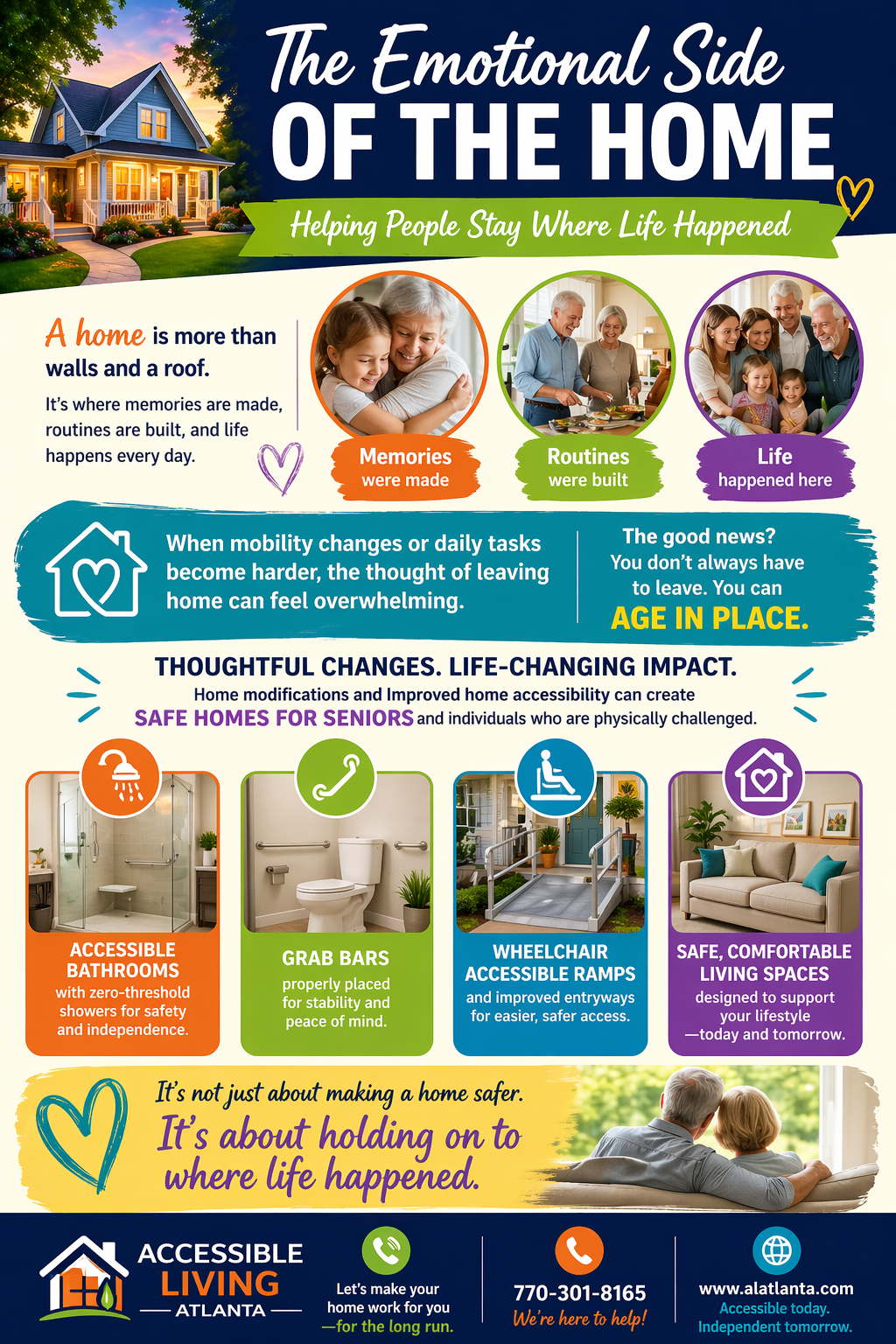
At Accessible Living Atlanta, home modifications aren’t just construction projects — they’re personalized solutions designed around how people actually live.

One of the ways we deliver better outcomes for our clients is by working closely with a consulting Occupational Therapist (OT) who supports many of our projects.

This partnership provides a powerful advantage that many contractors simply don’t offer.

Here’s why it matters:

🔹 Professional Functional Assessments – An OT evaluates how clients move through their home, identifying risks and opportunities for improvement that may not be obvious to families or builders alone.

🔹 Client-Centered Design – Recommendations are based on real-life activities such as bathing, cooking, dressing, and mobility — ensuring modifications support independence and dignity.

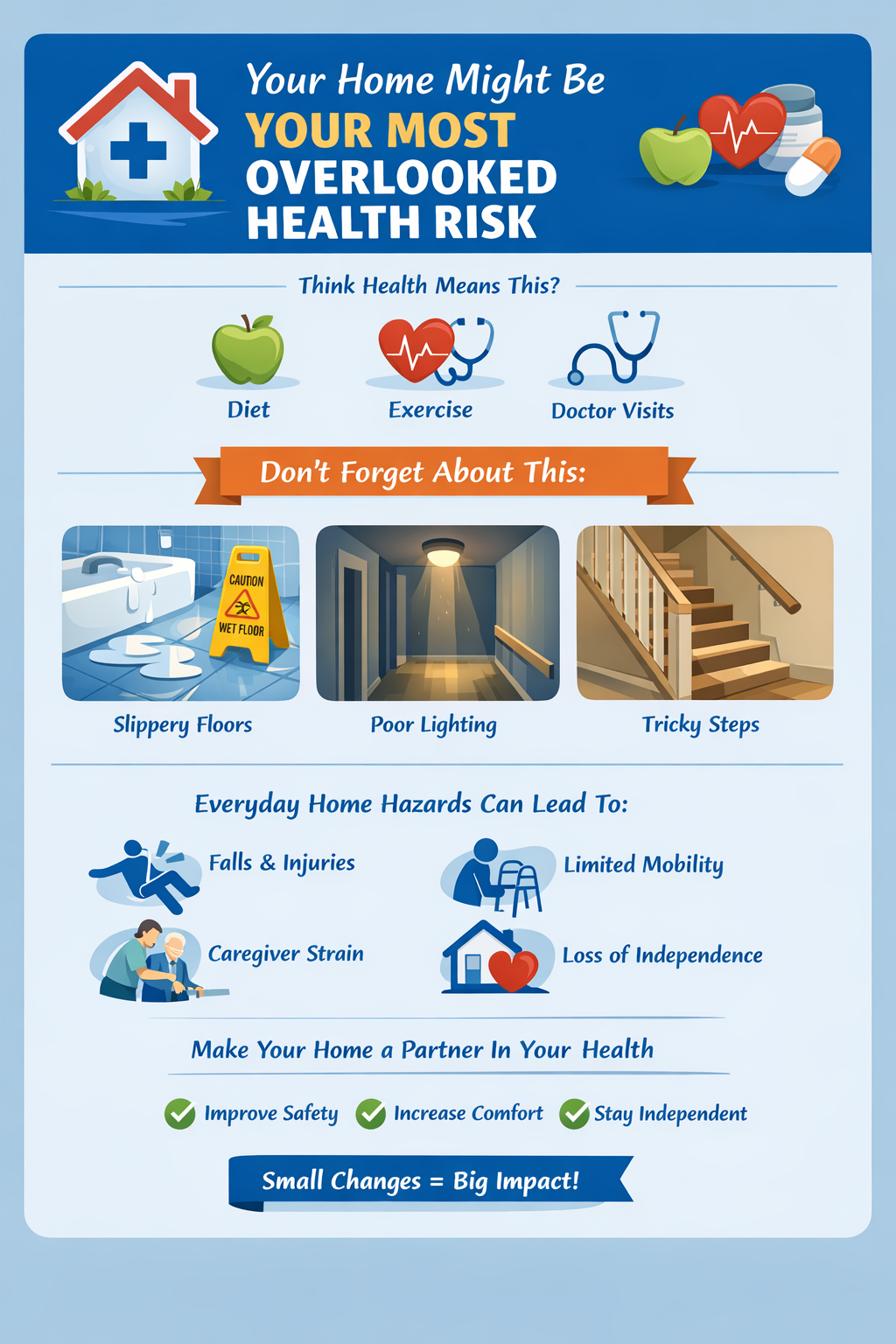
🔹 Fall Prevention & Safety Planning – The OT helps prioritize solutions that reduce fall risk and improve long-term safety.

🔹 Better Outcomes – By combining clinical insight with construction expertise, we create homes that truly work for each individual — not one-size-fits-all solutions.

🔹 Peace of Mind for Families – Clients know their home modifications are guided by both healthcare and construction professionals.

This collaborative approach allows us to design safe, accessible, user-friendly homes that support aging in place, recovery after injury, and long-term independence.

It’s not just about modifying homes — it’s about improving lives.
Flyer illustrating home accessibility. Includes drawings of people using ramps, handrails, and accessible kitchens.
January 27, 2026
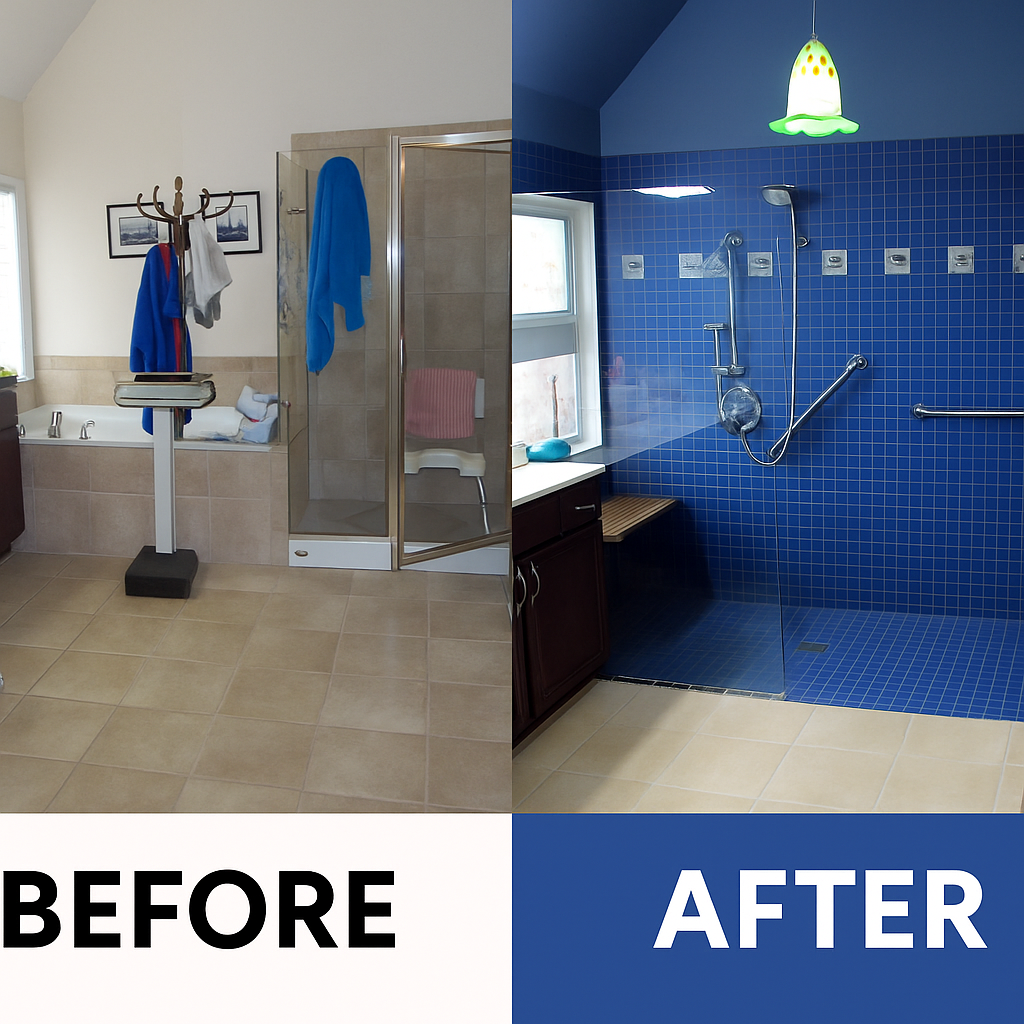
When people hear “accessibility,” they often think of ramps or grab bars. But true accessibility is much more than that. It’s about how easily someone can move through their day. It’s the little moments that matter most: 🔹 Reaching kitchen cabinets without strain 🔹 Entering the home safely and confidently 🔹 Showering without fear of slipping or falling 🔹 Moving from room to room without obstacles 🔹 Preparing meals comfortably and independently These everyday activities shape quality of life. And when they become difficult, independence starts to fade. 🏠 Where Homes Commonly Fall Short Many homes—especially older ones—were never designed for aging, recovery after injury, or mobility changes. Over time, families discover challenges like: • Narrow doorways that restrict movement • Bathrooms that feel unsafe • Kitchens with counters and storage that are hard to reach • Flooring transitions that create trip hazards • Entryways with steps that become barriers These aren’t flaws in the home. They’re signs the home needs to evolve with the people living in it. 🛠️ Turning Barriers Into Everyday Comfort At Accessible Living Atlanta , we focus on real-life usability through thoughtful home modifications , including: ✔ Zero-threshold showers with grab bars for safer bathing ✔ Ramps and stairlifts for easy entry and multi-level access ✔ Hardwood flooring with smooth transitions for mobility devices ✔ Lowered kitchen cabinets for comfortable reach ✔ Wider doorways for walkers and wheelchairs Each modification supports safety, dignity, and independence — while helping families continue aging in place . 💙 Accessibility Means Freedom at Home Accessibility isn’t about changing who you are. It’s about changing the home to support your life. With the right modifications, homes become safe, accessible, and truly user-friendly — empowering seniors and individuals with mobility challenges to live comfortably, confidently, and independently. Sometimes the biggest transformation doesn’t come from one large project — but from many small improvements working together. 👉 If you or someone you care about is beginning to notice everyday challenges at home, now is the perfect time to explore your options. Because accessibility isn’t about construction — it’s about everyday living .
Infographic: Questions before home modifications. Includes illustrations and advice about daily activities, temporariness, and what matters most.
January 23, 2026
Not every home modification project starts with construction — it starts with the right questions. Before making accessibility changes, it’s important to understand the person, not just the home. At Accessible Living Atlanta, we guide families through thoughtful planning by asking: 🔹 What daily activities are hardest? Is it bathing, entering the home, moving between rooms, or preparing meals? 🔹 What’s temporary vs. permanent? Are these challenges due to surgery or injury recovery — or part of long-term aging or mobility changes? 🔹 What matters most to the client? Independence? Safety? Privacy? Comfort? Remaining at home? By starting with these questions, home modifications become personalized solutions, not one-size-fits-all fixes. The result is a safe, accessible, and user-friendly home that supports dignity and independence — now and in the future. We listen to help you answer your questions. Reach out to us at 770-301-8165 , or info@alatlanta.com
January 20, 2026
Many of the homes we live in today were designed decades ago — for a very different stage of life. As a result, they often fail to support aging in place , mobility changes, or recovery after injury. Here’s what most older homes were never built for: 🔹 Narrow doorways that can’t accommodate walkers or wheelchairs 🔹 Steps everywhere , from entryways to sunken rooms and stair-only access 🔹 Bathrooms designed for younger bodies , with tubs, low toilets, and slippery surfaces These design limitations don’t mean a home is “bad” — they simply mean it needs to evolve with the people living in it. At Accessible Living Atlanta , we specialize in home modifications that transform older homes into safe, accessible, and user-friendly spaces — without sacrificing comfort or dignity. Accessibility isn’t about changing who you are — it’s about changing the home to support independence at every stage of life.
More Posts