Accessibility Is About Everyday Living

January 27, 2026

When people hear “accessibility,” they often think of ramps or grab bars.


But true accessibility is much more than that.


It’s about how easily someone can move through their day.


It’s the little moments that matter most:


🔹 Reaching kitchen cabinets without strain

🔹 Entering the home safely and confidently

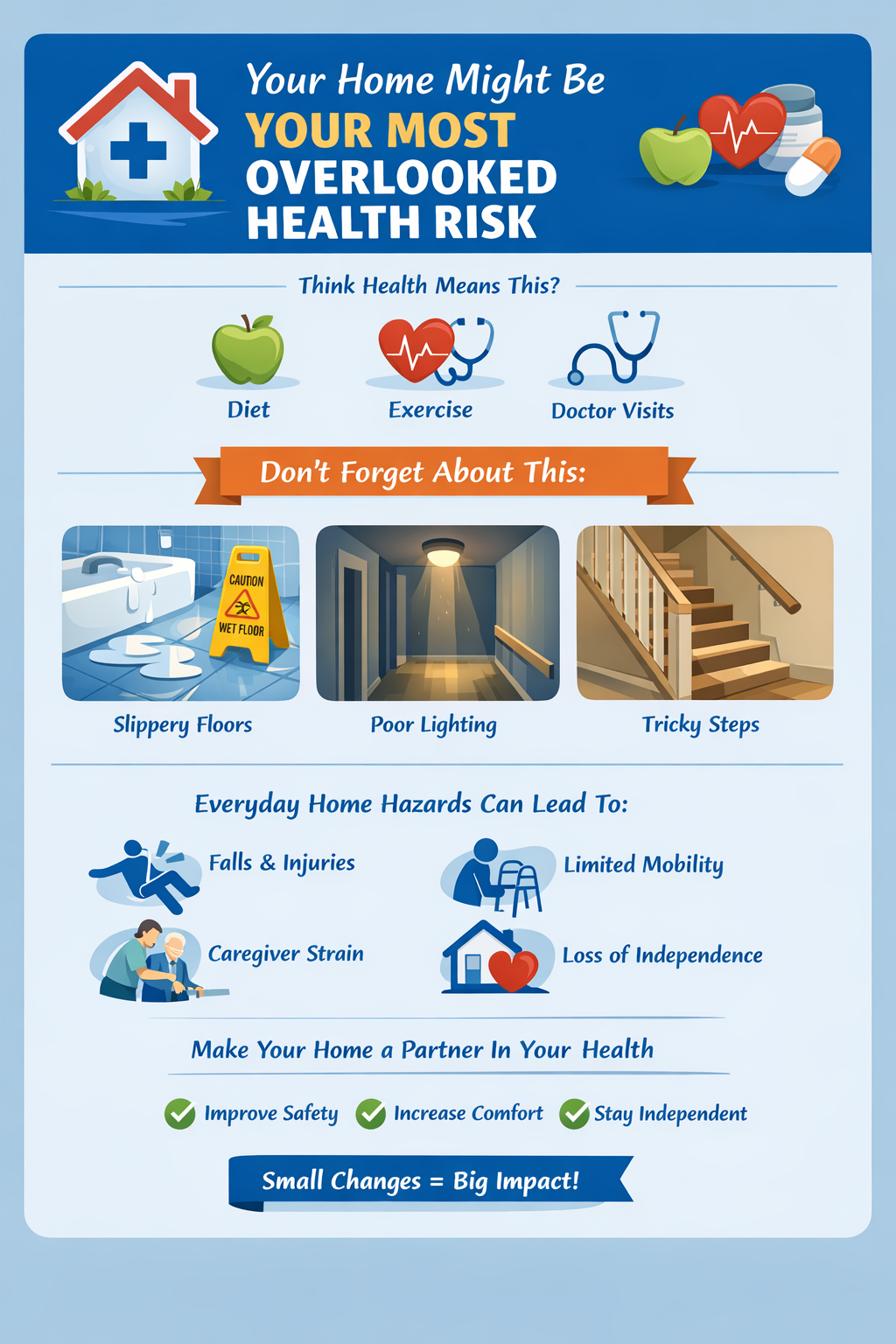
🔹 Showering without fear of slipping or falling

🔹 Moving from room to room without obstacles

🔹 Preparing meals comfortably and independently


These everyday activities shape quality of life. And when they become difficult, independence starts to fade.


🏠 Where Homes Commonly Fall Short


Many homes—especially older ones—were never designed for aging, recovery after injury, or mobility changes. Over time, families discover challenges like:


• Narrow doorways that restrict movement

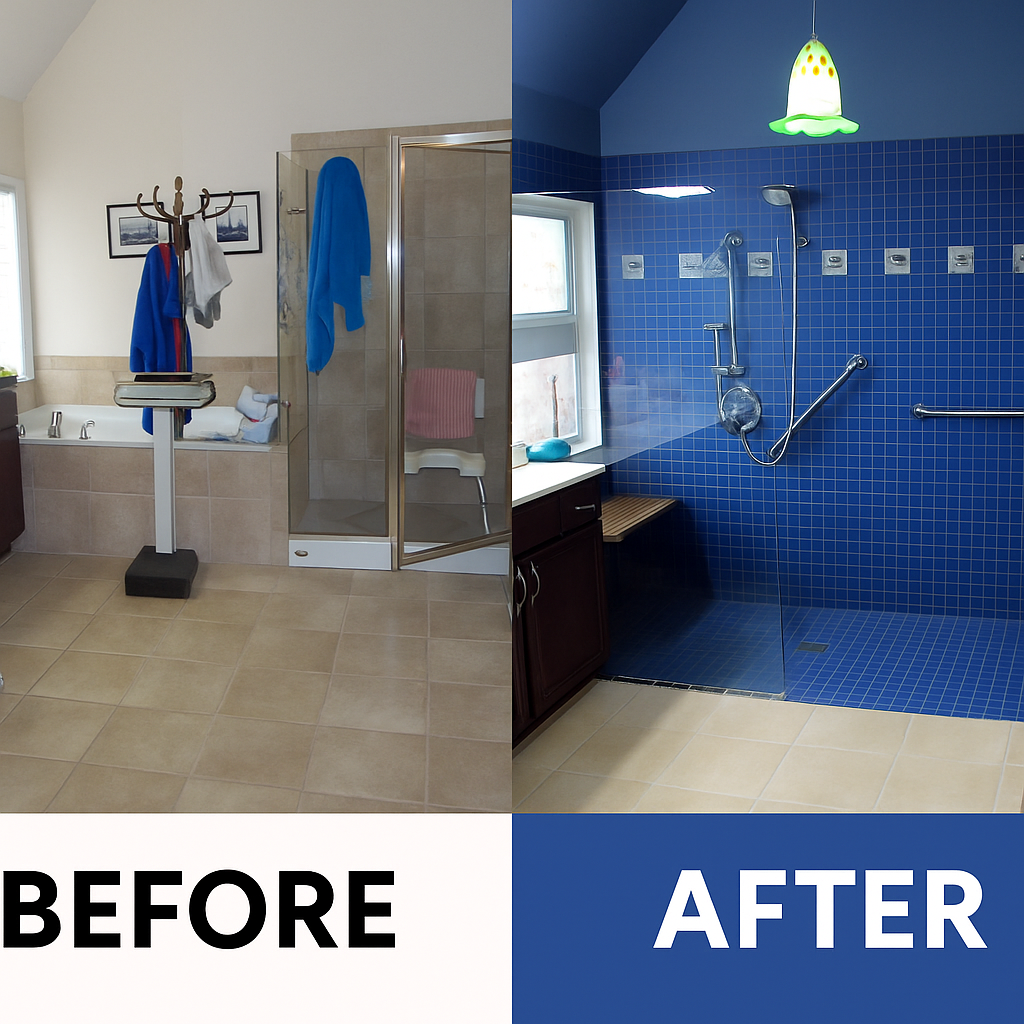
• Bathrooms that feel unsafe

• Kitchens with counters and storage that are hard to reach

• Flooring transitions that create trip hazards

• Entryways with steps that become barriers


These aren’t flaws in the home. They’re signs the home needs to evolve with the people living in it.


🛠️ Turning Barriers Into Everyday Comfort


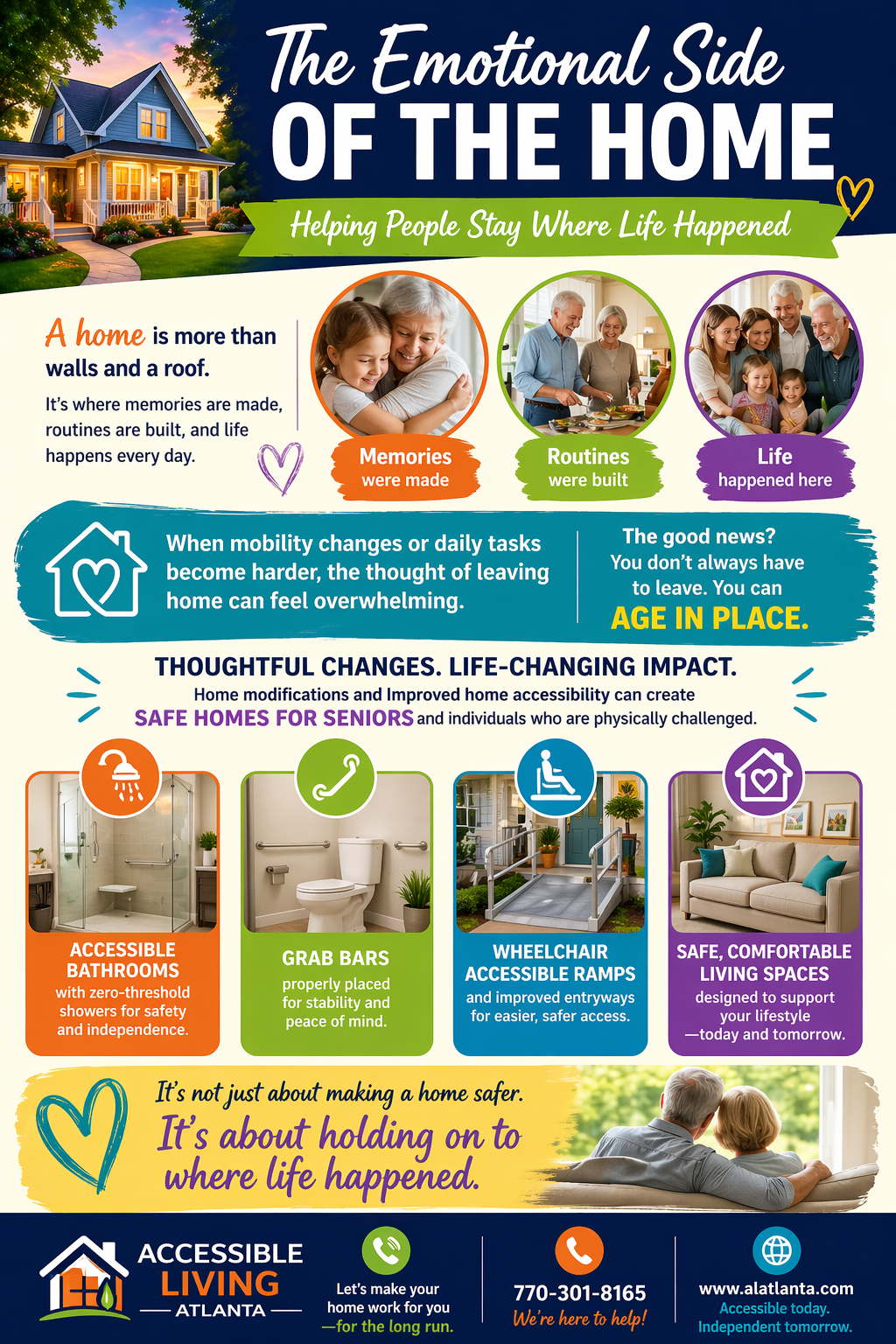
At Accessible Living Atlanta, we focus on real-life usability through thoughtful home modifications, including:


✔ Zero-threshold showers with grab bars for safer bathing

✔ Ramps and stairlifts for easy entry and multi-level access

✔ Hardwood flooring with smooth transitions for mobility devices

✔ Lowered kitchen cabinets for comfortable reach

✔ Wider doorways for walkers and wheelchairs


Each modification supports safety, dignity, and independence — while helping families continue aging in place.


💙 Accessibility Means Freedom at Home


Accessibility isn’t about changing who you are.


It’s about changing the home to support your life.


With the right modifications, homes become safe, accessible, and truly user-friendly — empowering seniors and individuals with mobility challenges to live comfortably, confidently, and independently.


Sometimes the biggest transformation doesn’t come from one large project — but from many small improvements working together.


👉 If you or someone you care about is beginning to notice everyday challenges at home, now is the perfect time to explore your options.


Because accessibility isn’t about construction —

it’s about everyday living.
Infographic showing home accessibility modifications for mobility needs across three stages: early, middle, and late.
March 13, 2026
Serious mobility loss can happen gradually — or instantly. Conditions such as ALS, MS, Muscular Dystrophy, Parkinson’s disease, stroke, and traumatic injuries often change a person’s ability to move safely inside their own home.
A grid showing home accessibility solutions: ramps, grab bars, roll-in showers, stair lifts, wide doorways, and lighting.
March 12, 2026
Although home modifications to improve accessibility have been around for decades, many people across the country are still unaware that their homes can be adapted to meet changing physical needs. Home accessibility is not just for seniors. It benefits individuals of all ages who may be living with mobility challenges, chronic illness, birth defects, injuries, or other physical limitations. For thousands of families, simple modifications have made the difference between moving out… and staying safely at home. Accessible home modifications may include: ✔ Barrier-free showers ✔ Wheelchair ramps & lifts ✔ Wider doorways ✔ Grab bars & safety rails ✔ Stair lifts ✔ Accessible kitchens & bathrooms ✔ Zero-step entrances ✔ Improved lighting & safer flooring These changes allow people to live with greater independence, dignity, and safety in the place they know best — their own home. Across the country, more families are discovering that the right modifications can extend independence for years and prevent unnecessary moves to assisted living or nursing facilities. Home accessibility is not a trend. It is a proven solution that has helped thousands — and will help thousands more in the years ahead.
Two people embracing and smiling while looking off to the side outdoors.
March 11, 2026
Serious mobility loss can happen gradually — or instantly. Conditions such as ALS, MS, Muscular Dystrophy, Parkinson’s disease, stroke, and traumatic injuries often change a person’s ability to move safely inside their own home. The type of home modifications needed depends on the stage of the condition. In the early stages, a few small changes may be enough. As mobility becomes more limited, additional accessibility solutions are often required to maintain independence and safety. Over the past 20+ years, Accessible Living Atlanta has worked with individuals and families throughout every stage of mobility loss, providing customized home modifications designed for real-life needs. Examples of modifications may include: Ramps or vertical platform lifts for safe entry Doorway widening for wheelchair access Zero-threshold showers and accessible bathrooms Comfort-height toilets and grab bars Ceiling lifts for bed-to-chair transfers Lowered kitchen cabinets and roll-under sinks Improved lighting for safety Elevators for multi-level homes Every situation is different. Every home is different. Every client has different goals. Our experience allows us to recommend the right solution at the right time — helping individuals remain safely at home with greater independence and a better quality of life. 770-301-8165 www.alatlanta.com
More Posts