6 Daily Habits for Aging Well — and How Your Home Can Help

February 4, 2026

Harvard neurologist Rudolph E. Tanzi emphasizes six daily habits that support brain health and slow aging:

sleep, stress management, social connection, exercise, learning, and healthy eating.

What’s often overlooked?

Your home environment plays a powerful role in supporting every one of these habits.

Here’s how home accessibility connects the dots:

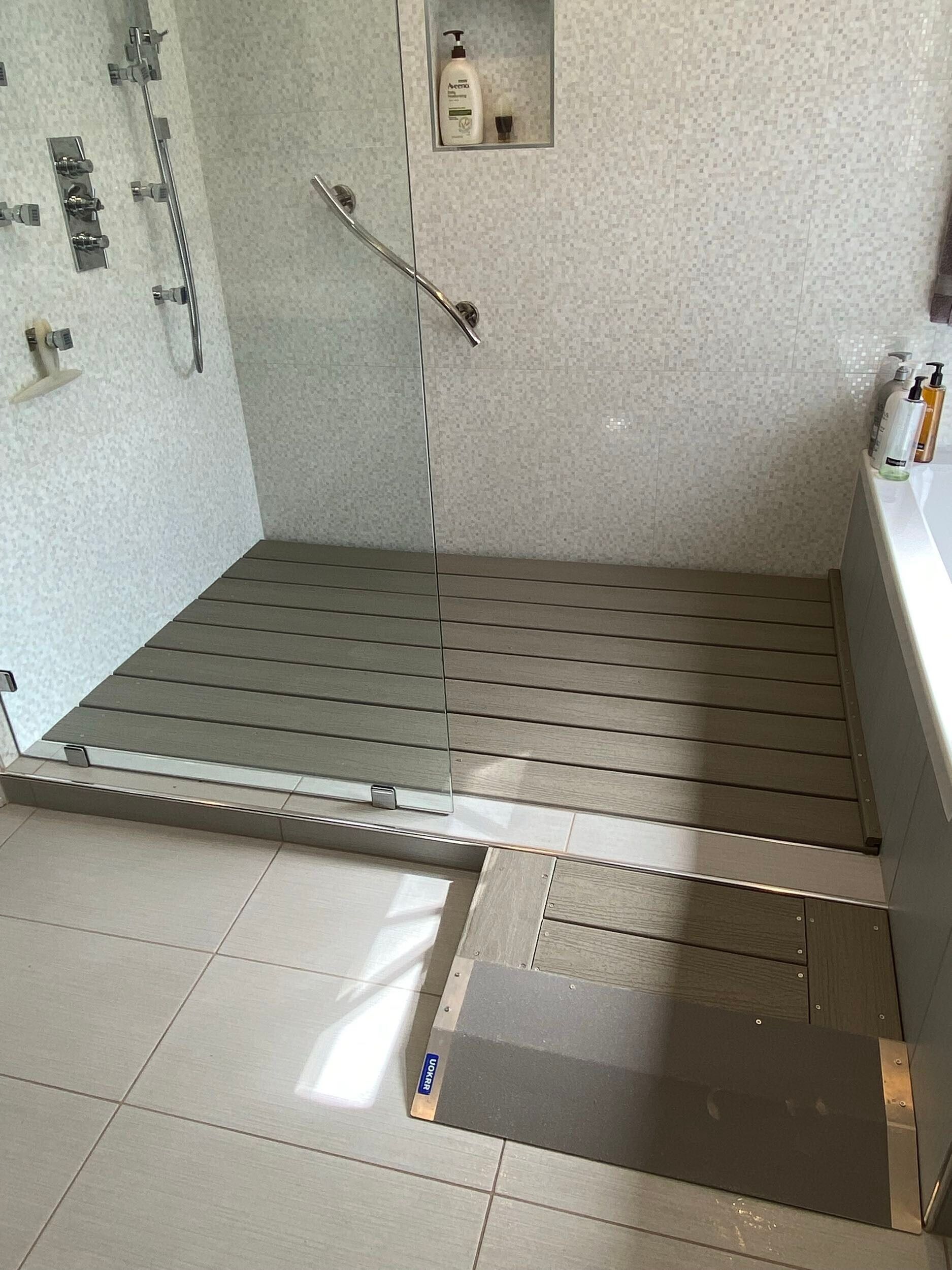
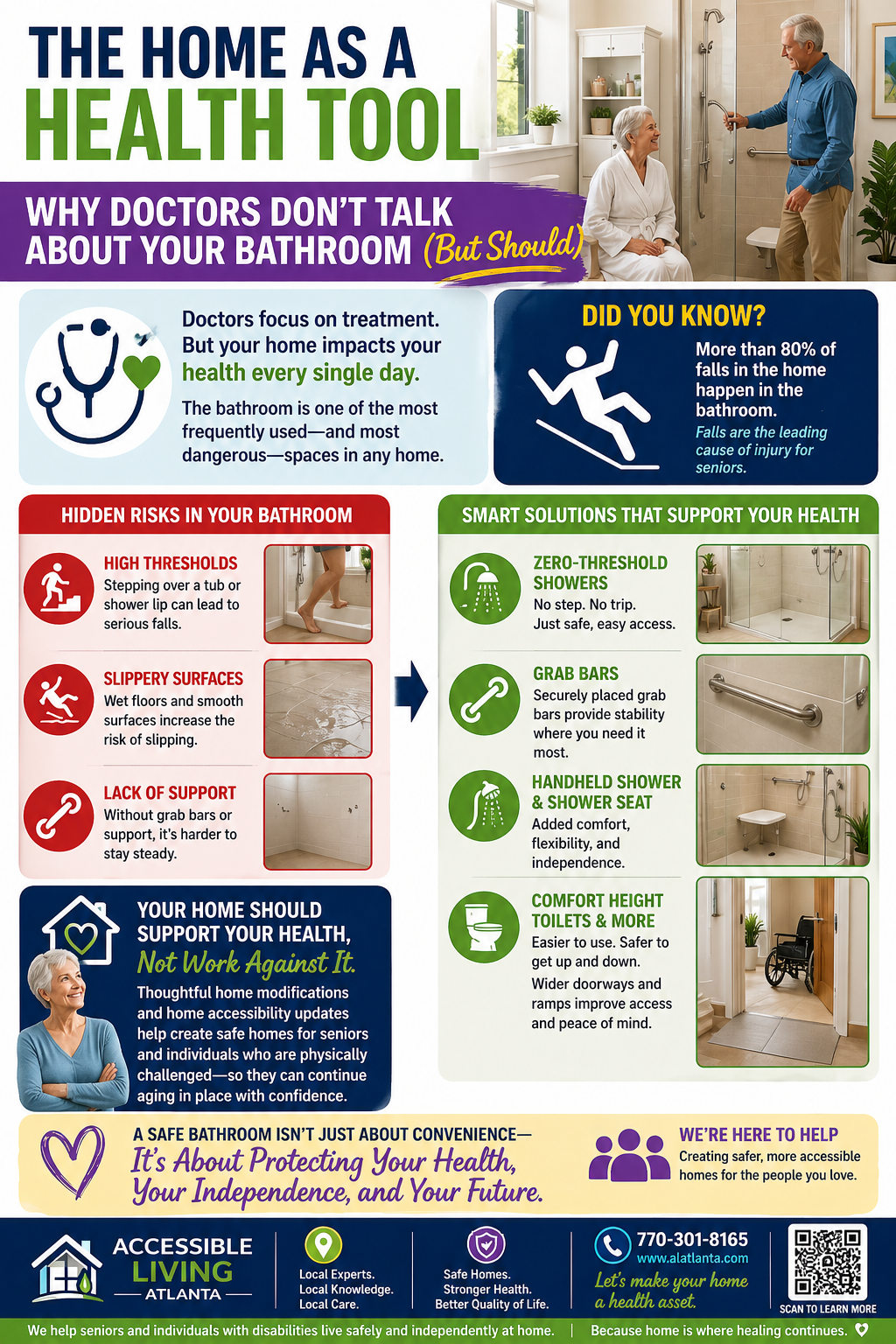
🔹 Better sleep starts with safer bedrooms and bathrooms (zero-threshold showers, good lighting, reduced fall risk).
🔹 
Lower stress comes from a home that’s easy to navigate — no steps, tight doorways, or daily obstacles.
🔹 
Social connection is easier when entryways are accessible and guests can visit comfortably.
🔹 
Exercise & movement improve when flooring is smooth, transitions are zero-threshold, and stairs are addressed with ramps or lifts.
🔹 
Learning new things happens best in spaces that feel safe and supportive.
🔹 
Healthy eating is more achievable with user-friendly kitchens, including lowered cabinets and accessible layouts.

At Accessible Living Atlanta, we see every day how thoughtful home modifications support aging in place, independence, and dignity — not just safety.

Because accessibility isn’t just about construction.

It’s about creating an environment that supports healthy living at every stage of life
February 7, 2026
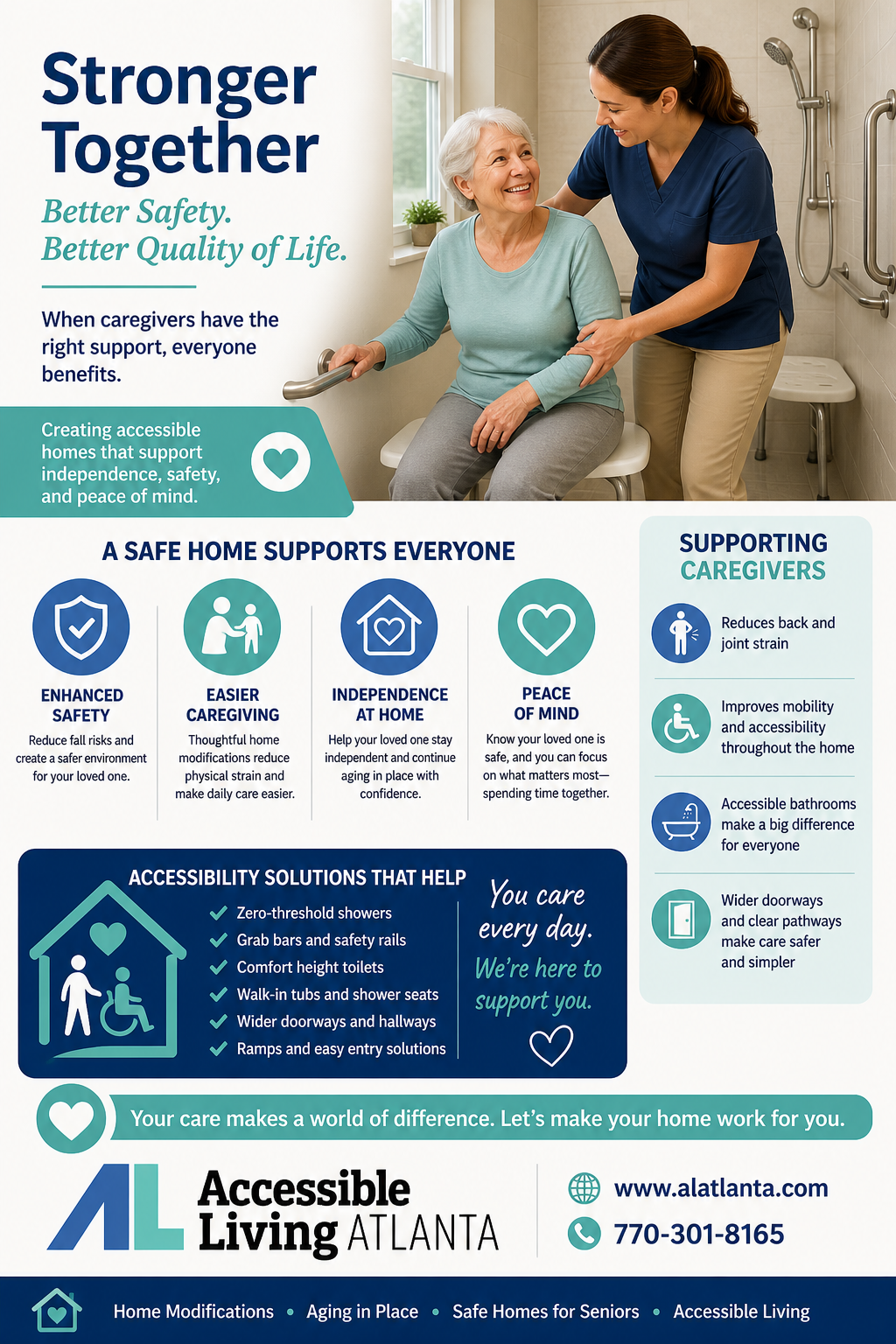
When people hear “home accessibility,” they often think it’s only for older adults. But the reality is — accessibility supports people of all ages . Every day, we help individuals and families navigating: ✅ Injuries from accidents or work-related incidents ✅ Chronic illness that affects strength, balance, or stamina ✅ Neurological conditions impacting mobility or coordination ✅ Temporary mobility challenges after surgery or hospitalization Accessibility isn’t about age — it’s about function, safety, and independence. Here’s what thoughtful home modifications can provide: ✔ Safer bathrooms with zero-threshold showers and grab bars ✔ Smooth flooring and zero-threshold transitions for easier movement ✔ Accessible entryways with ramps or lifts ✔ User-friendly kitchens with reachable cabinets and layouts ✔ Reduced fall risk and daily strain At Accessible Living Atlanta, we design safe, accessible, user-friendly homes that support recovery, independence, and aging in place — whether needs are temporary or long-term. Accessibility doesn’t label people. It empowers them.
February 7, 2026
When families explore home modifications, they aren’t just comparing services. They’re looking for reassurance, safety, and confidence . That’s where collaboration with an Occupational Therapist (OT) makes a meaningful difference. At Accessible Living Atlanta, we believe home accessibility works best when clinical insight meets construction expertise . Here’s why this partnership matters: ✅ OTs evaluate how people actually live in their homes — not just floor plans ✅ They assess balance, strength, cognition, and daily routines ✅ They help identify fall risks before they become emergencies ✅ They guide solutions based on real functional needs This allows us to design safe, accessible, user-friendly homes that truly support: ✔ Aging in place ✔ Recovery after injury ✔ Independence and dignity ✔ Long-term safety Working alongside an OT also builds trust with families and referral partners because it shows: 🔹 Evidence-based decision making 🔹 Safety-first planning 🔹 Respect for professional expertise The result? Fewer mistakes, better outcomes, and homes that genuinely work for the people living in them.  Home accessibility and Occupational Therapy aren’t separate services — they’re a perfect partnership .
Calendar with illustrations: Volunteers with food, ambulance, man with calendar, people reading.
February 5, 2026
New research shows that you can lengthen your own life by improving someone else’s. https://www.washingtonpost.com/health/2026/01/30/seniors-volunteering-health-benefits/
More Posts