These Tiny Changes Might Lengthen Your Life

April 4, 2026

This is an excerpt from an article in The Washington Post written by Gretchen Reynolds

A recent study highlighted by The Washington Post reveals something both encouraging and practical:

You don’t need dramatic lifestyle overhauls to improve longevity.

Researchers found that just:


  • 5 additional minutes of sleep
  • 2 minutes of added physical activity
  • A modest improvement in nutrition (like an extra serving of vegetables)

…can add a year or more to your life.

Even more compelling, these small improvements—when combined—create a powerful synergy between what researchers call:

Sleep, Physical Activity, and Nutrition (SPAN).


Together, they significantly improve both lifespan and overall health.


But There’s a Missing Piece in the Conversation

While these findings focus on personal habits, there is another critical factor that determines whether individuals can actually maintain these improvements:

👉 Their home environment

You can have the best intentions—eat better, move more, rest well—but if your home is not designed to support those actions, consistency becomes difficult… and sometimes dangerous.

This is where home modifications and home accessibility play a vital role.


How Home Accessibility Supports Longevity

A well-designed, accessible home directly supports the very habits this study highlights:

Sleep (Safety & Confidence at Night)

  • Proper lighting reduces fall risks during nighttime movement
  • Safe, accessible bathrooms eliminate hazards
  • Clear pathways provide peace of mind

Physical Activity (Daily Movement Without Barriers)

  • Open layouts encourage mobility
  • Widened doorways accommodate walkers and wheelchairs
  • Wheelchair-accessible ramps eliminate obstacles

Nutrition (Easier Access = Better Habits)

  • Accessible kitchens with lowered counters
  • Pull-down shelving and reachable storage
  • Functional layouts that reduce strain and fatigue


Real-Life Impact for Seniors & the Physically Challenged

For many individuals—whether seniors, those with chronic illness, or those facing mobility challenges—these small daily habits are not just about longevity…

They are about maintaining independence.

Features like:

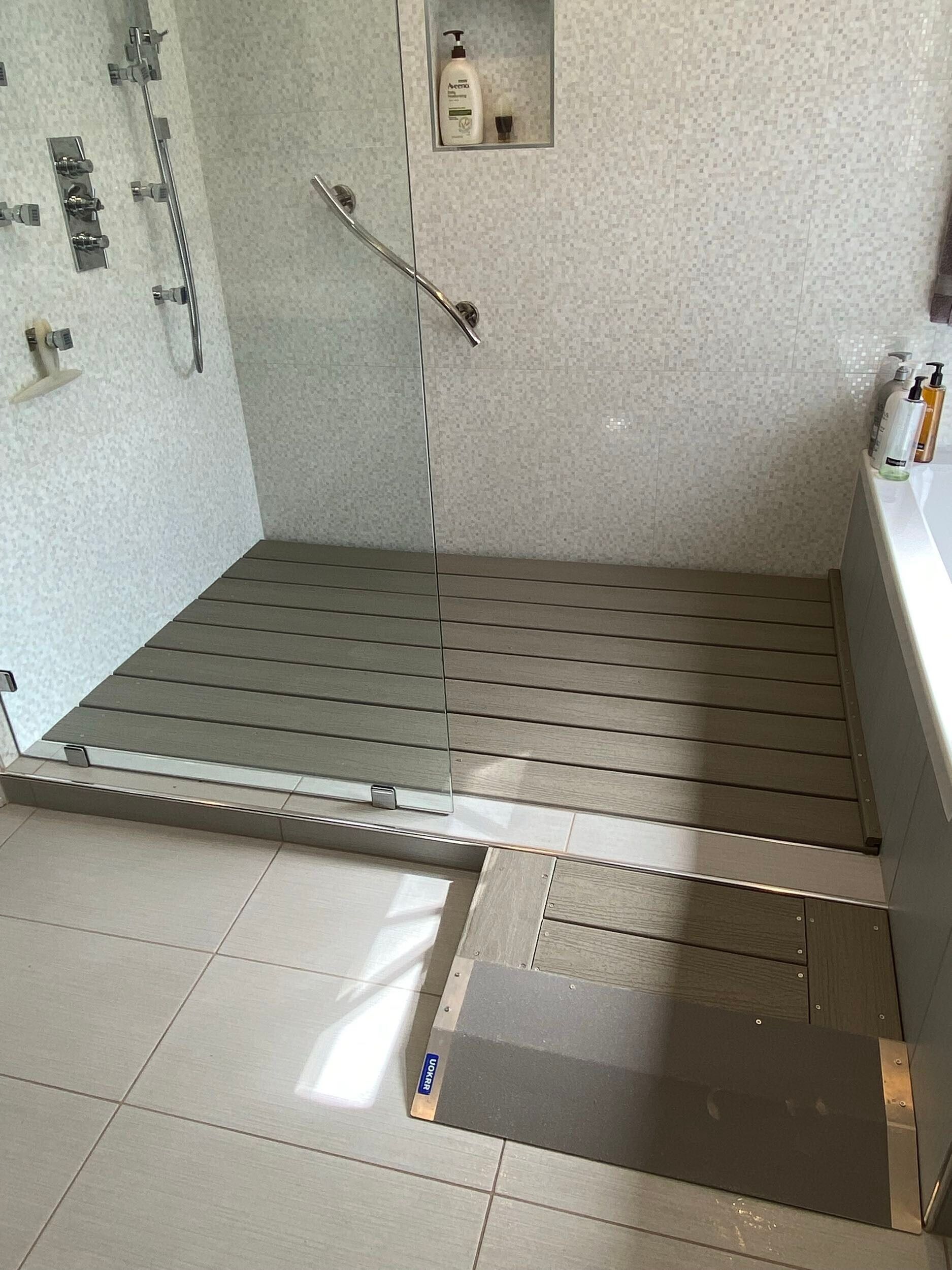
  • Zero threshold (curbless) showers
  • Grab bars for stability and fall prevention
  • Widened doorways and hallways
  • User-friendly kitchens
  • Safe entry and exit solutions

…transform a home into a space that promotes:
✔ Safety
✔ Confidence
✔ Daily consistency
✔ Long-term independence


The Bigger Picture

Longevity is not just about living longer—it’s about living well.

This study reinforces that small, manageable changes can have a profound impact on health.

But to fully benefit from those changes, your home must work with you—not against you.

A properly designed, accessible home makes it easier to:

  • Stay active
  • Maintain healthy routines
  • Reduce fall risk
  • Age in place with dignity


Final Thought

You don’t need to change everything overnight.

Start small.

But also take a step back and ask:

👉 Does my home support the life I want to live as I age?

Because while small habits may extend your life…

A safe, accessible home will help ensure you can truly enjoy it.
Infographic titled
April 8, 2026
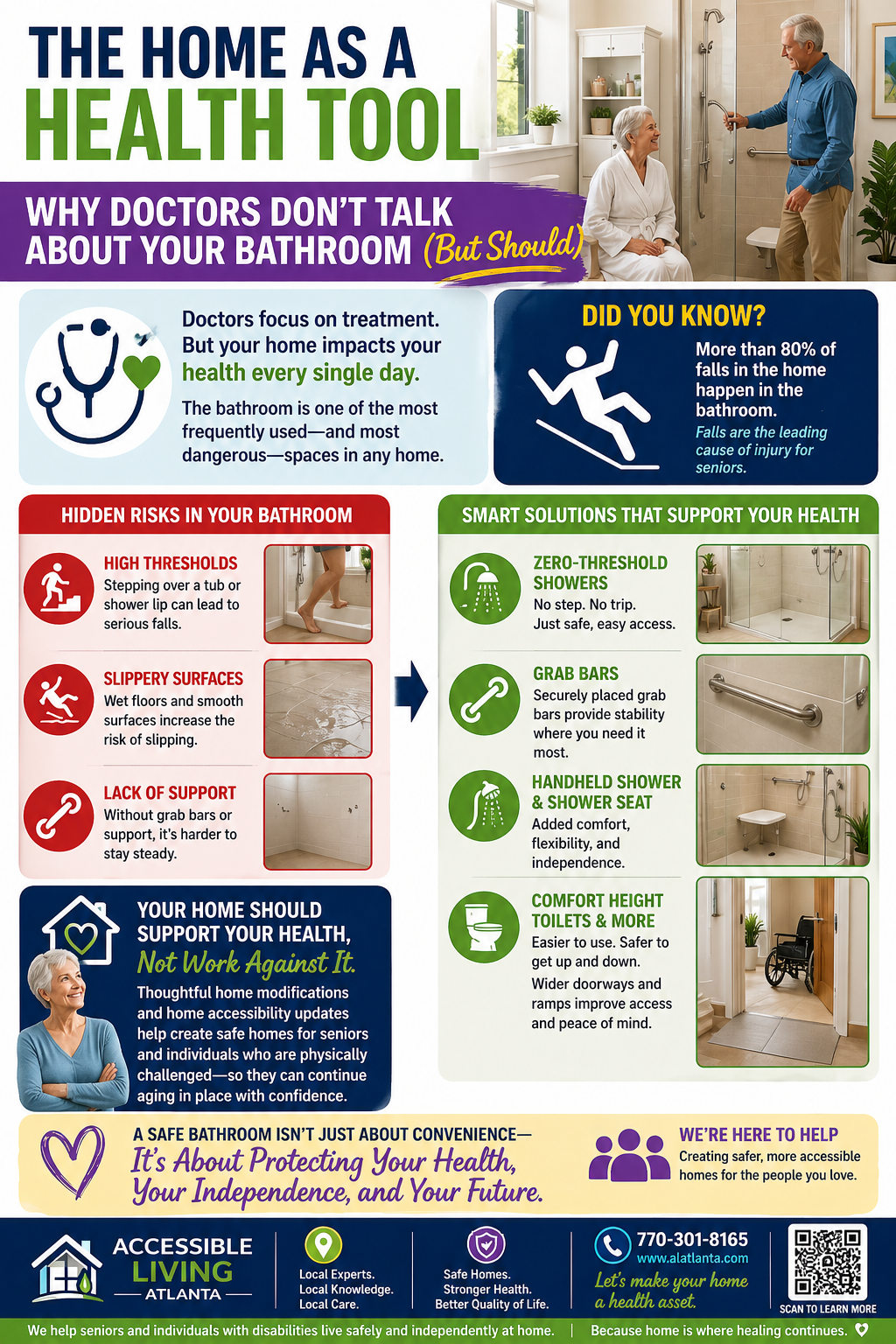
Most people think of their health in terms of doctor visits, medications, diet, and exercise. But there’s one critical factor that is often overlooked… The home environment. Over the years, we’ve seen a consistent pattern: Health issues are not always caused by illness alone—they are often made worse by the home itself. A small step into a shower becomes a fall risk Poor lighting increases instability Narrow doorways limit mobility Everyday tasks become physically demanding What starts as a minor inconvenience can quickly become a serious safety concern.  The reality is this: A home that is not designed to support you can quietly work against your health every single day. On the other hand, a properly designed, accessible home: Reduces fall risks Supports mobility and independence Eases the burden on caregivers Encourages confidence in daily living This isn’t about major renovations in every case. Sometimes, small, thoughtful changes can make a meaningful difference. As more individuals choose to remain at home longer, it’s time to expand the conversation: 👉 Health isn’t just managed in hospitals—it’s lived at home.
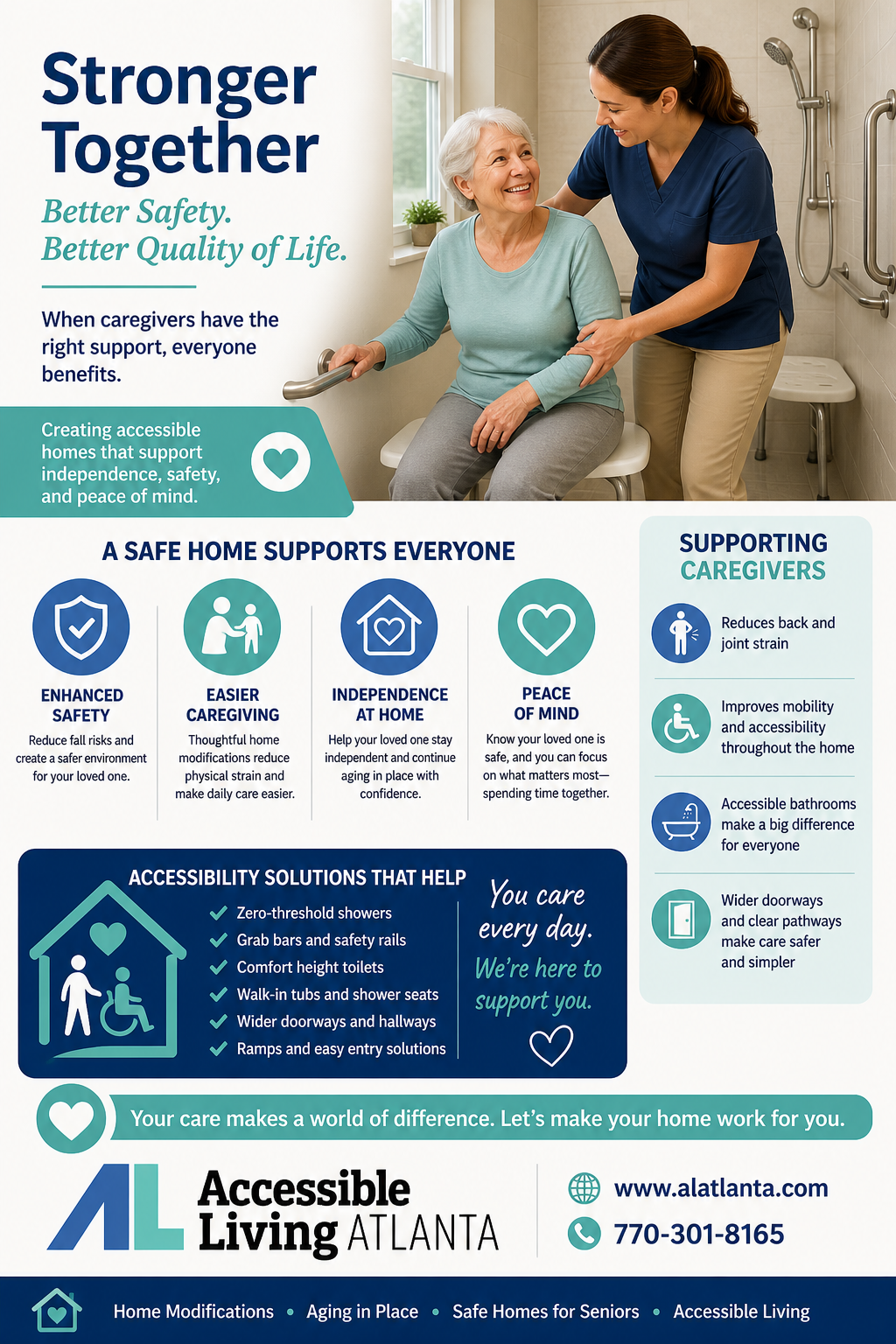
A younger person points to a safety grab bar installed on a white tiled wall while an older person looks on and smiles.
March 30, 2026
I've walked into hundreds of homes over the course of my career as an occupational therapist and Certified Aging in Place Specialist. I've sat at kitchen tables with worried adult children, I've held the hands of seniors who felt embarrassed by their own vulnerability, and I've stood in more bathroom
March 28, 2026
This is an excerpt from an article in the Washington Post, written by Maggie Penman, March 25, 2026 Research shows that aging does not always mean decline. In fact, studies have found that nearly half of adults over age 65 improve physically, mentally, or both as they grow older. A positive outlook plays a major role, but another factor is often overlooked — the environment a person lives in. Examples of people accomplishing great things later in life remind us that aging is not a one-way path. Researchers studying thousands of older adults found that those who believed aging could still be a time of growth were more likely to stay active, socially engaged, and physically strong. However, the ability to stay active often depends on whether the home allows a person to function safely and independently. When a home becomes difficult to navigate, people may begin avoiding everyday activities. Over time this can lead to less mobility, less confidence, and reduced independence — not because of age itself, but because the home no longer fits their needs. Homes designed with accessibility in mind can help support the positive cycle of aging. Features such as: Zero-threshold showers, grab bars, better lighting, wider doorways, ramps, lifts, and user-friendly kitchens allow individuals to move safely and remain engaged in daily life. These improvements make it easier to stay active, socialize, and maintain a sense of purpose. Experts often say that people who thrive later in life usually have something that keeps them moving forward — family, hobbies, volunteering, travel, or community involvement. A safe and accessible home makes it easier to continue those activities. Aging is not just about years. It is about mindset, activity, and environment working together. When a home supports independence instead of limiting it, people are more likely to stay confident, active, and involved — and that can make the aging process far more positive. Planning ahead and creating a safer, more accessible home can help ensure that life does not slow down with age — it can continue to get better. Accessible Living Atlanta has been making homes accessible for over 20 years. We not only create a more accessible home, but also help you in supporting a healthy, positive attitude.
More Posts