No, Social Security Beneficiaries Are Not Getting a Fourth Stimulus Check
No, Social Security Beneficiaries Are Not Getting a Fourth Stimulus Check
AARP (SOURCE: ALAMY STOCK PHOTO (2), GETTY IMAGES)
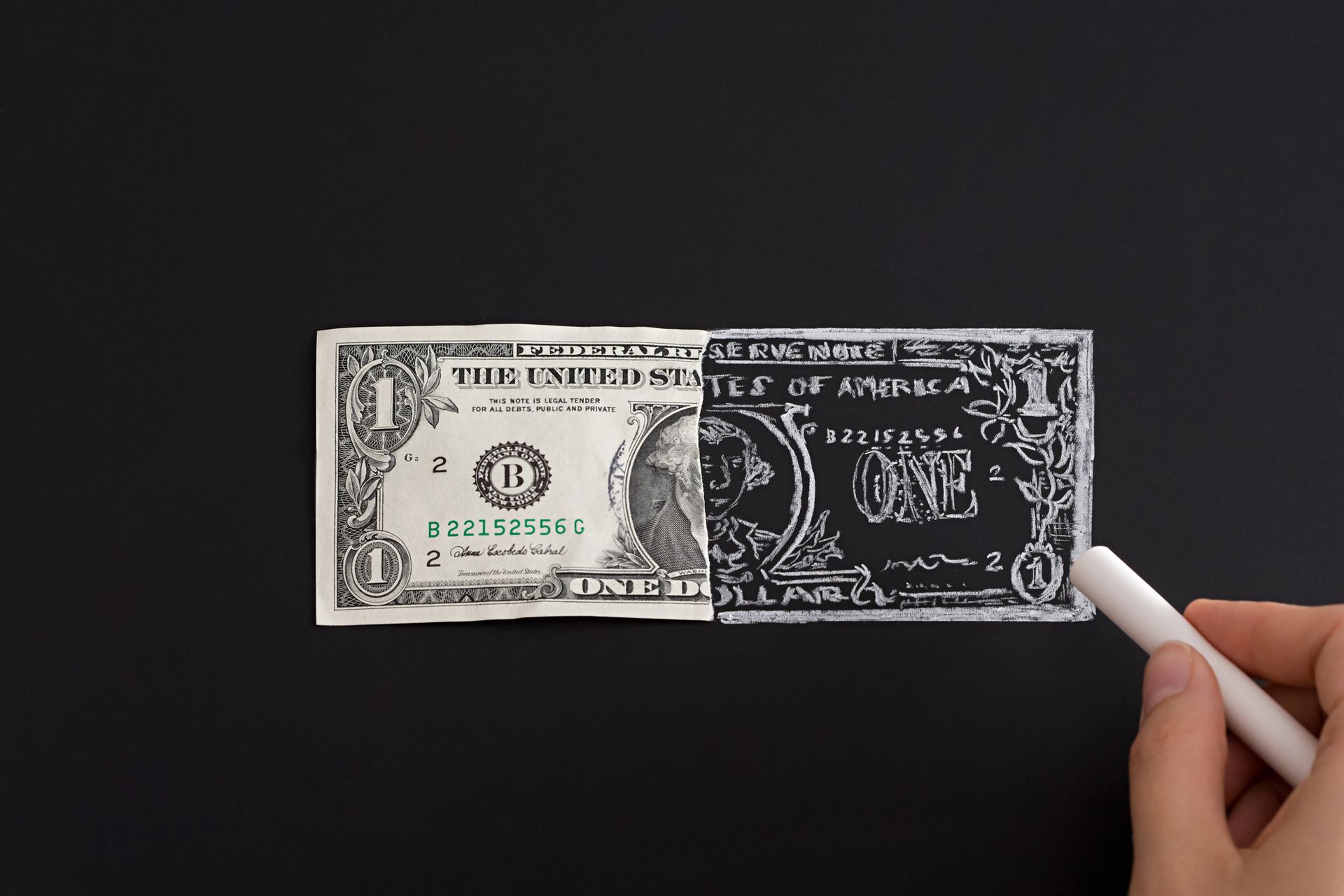
A wave of website headlines, videos and social media posts are spreading misinformation about a supposed "fourth stimulus check" headed to older Americans or people with disabilities. Don't believe the hype — there's no fourth stimulus going out, to anyone.
“We’ve paid out all the Economic Impact Payments,” IRS spokesman Anthony Burke says, using the official term for the three rounds of federal stimulus payments sent to more than 160 million U.S. taxpayers as part of the COVID-19 relief measures Congress passed in 2020 and 2021.

Get instant access to members-only products and hundreds of discounts, a free second membership, and a subscription to AARP the Magazine. Find out how much you could save in a year with a membership.
The IRS says people who missed a stimulus payment or received less than they should have can still try to claim the money by applying for a Recovery Rebate Credit (see below). “People should go to IRS.gov as the definitive source of information," Burke says.
More than three years after the third and final federal pandemic payment went out, claims that new ones are on the way are due in part to the growth of generative artificial intelligence (AI) in creating content, says McKenzie Sadeghi, AI and foreign influence editor for NewsGuard, a company that monitors misinformation in online media.
Imminent stimulus checks are a staple of “content farms,” she says — supposed news sites that regurgitate dubious information and often rely on AI-generated articles with little or no human oversight.
“We’ve seen this claim come up regularly on these websites — that you can get a fourth stimulus check,” Sadeghi says. “It's very in line with the type of content that we see from them, which are hoaxes aimed at generating clicks and getting people to the site.”
Seeking clicks
The latest round of stimulus stories tease possible payments of up to $2,600 for older Americans or assert outright that the payments have been “confirmed” by authorities and will go out in July. Similar claims have made the rounds of suspicious sites in recent months and have cropped up on social media, too.
Late last year, social media posts asserting that older residents of 10 states would be getting new stimulus checks Nov. 30 went viral, the Associated Press reported. Purportedly finance-focused YouTube channels with thousands or even hundreds of thousands of subscribers regularly post videos touting imminent extra payments to Social Security recipients or low-income Americans.
The distribution of legitimate, congressionally approved relief payments in 2020 and 2021 was accompanied by a raft of related scams, with robocalls, emails, text messages and social media posts promising to deliver faster or bigger stimulus checks if you paid a fee or provided personal information.
The questionable websites and social media posts this time appear to be mostly focused on attracting eyeballs. Sites and videos reviewed by AARP use a common search term such as “stimulus check” but apply it to a mash-up of claims — that the IRS is about to send out fresh payments (false); that multiple states are offering tax credits or rebates (true but unrelated to stimulus payments); or that Congress is going to increase Social Security benefits (highly speculative; such bills have been filed but have not made it out of committee).
The goal is to “rank high in search results in some way and attract viewers to their site,” Sadeghi says.
These sites are often “saturated in advertising,” placed by automated buyers “without much regard to the quality or the nature of the source,” she says. “By bringing viewers and readers to their sites, they are hoping that people will, in turn, click on these advertisements and they will gain financial revenue.”
As of mid-July, NewsGuard’s AI Tracking Center had identified nearly 1,000 purported news and information sites operating with little or no human oversight. The number is “growing on a weekly basis,” Sadeghi says, but the tracker count is likely “just scratching the surface.”
Spotting signs of AI
The stories most often peddled by content farms are “fake death hoaxes about celebrities,” Sadeghi says, “but the one about stimulus checks is one that hasn’t really gone away.” Whether AI-generated or not, such sites pick up on “an uptick in search results for something” and publish content related to that search term, leading others to follow suit, she says.
Sadeghi recommends readers who aren’t sure about a news site’s quality or veracity look for these signs of unreliable, AI-generated content:
- Inconsistent information. AI-generated articles “often contain contradictions or conflicting info,” or even error messages, Sadeghi says.
- Repetition. Content farm articles will often repeat a key phrase like “stimulus checks” dozens of times.
- No attribution. “We’ll see a lot of missing citations,” Sadeghi says. “None of the information is credited anywhere.”
- Lack of transparency. Does the story have a byline or any way to verify the writer’s identity? Does the site disclose information about who is behind it?
How to recoup a missed stimulus payment
The IRS sent Economic Impact Payments of $1,200, $600 and $1,400 to tens of millions of Americans in 2020 and 2021 under three rounds of federal COVID-19 relief legislation. If you did not receive one of those payments, or got less than the full amount, you may still be able to claim the money via a tax credit.
To claim this Recovery Rebate Credit, you must file (or refile) a tax return for the year of the missed payment. The deadline to file a new or amended 2020 tax return to claim one or both of that year’s stimulus payments has passed, but taxpayers have until April 15, 2025, to claim the credit for the 2021 stimulus.
The Recovery Rebate Credit page on the IRS website has more information on eligibility and instructions for filing.
Andy Markowitz covers Social Security and retirement for AARP. He is a former editor of the Prague Post and Baltimore City Paper.
#homeaccessibility #homemodification #homehealthcare #aginginplace #aginggracefully #caregivers #disability #disabilityawareness #wheelchairuser #wheelchairaccessible #spinalcordinjury #physicallychallenged #safetyathome #elderlycare #graytsunami #healthylifestyle #accessiblematters #userfriendlyhome