April 4, 2026
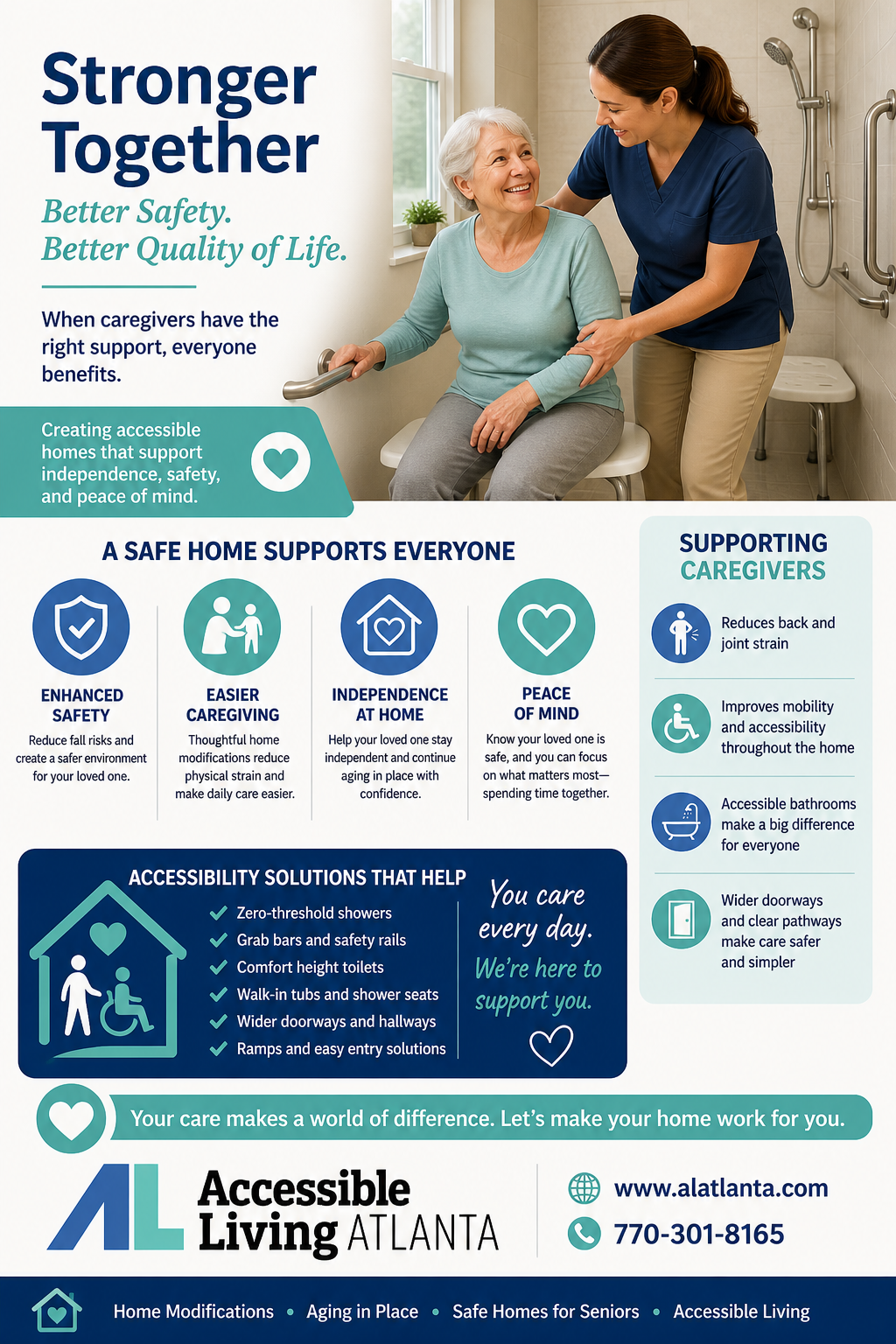
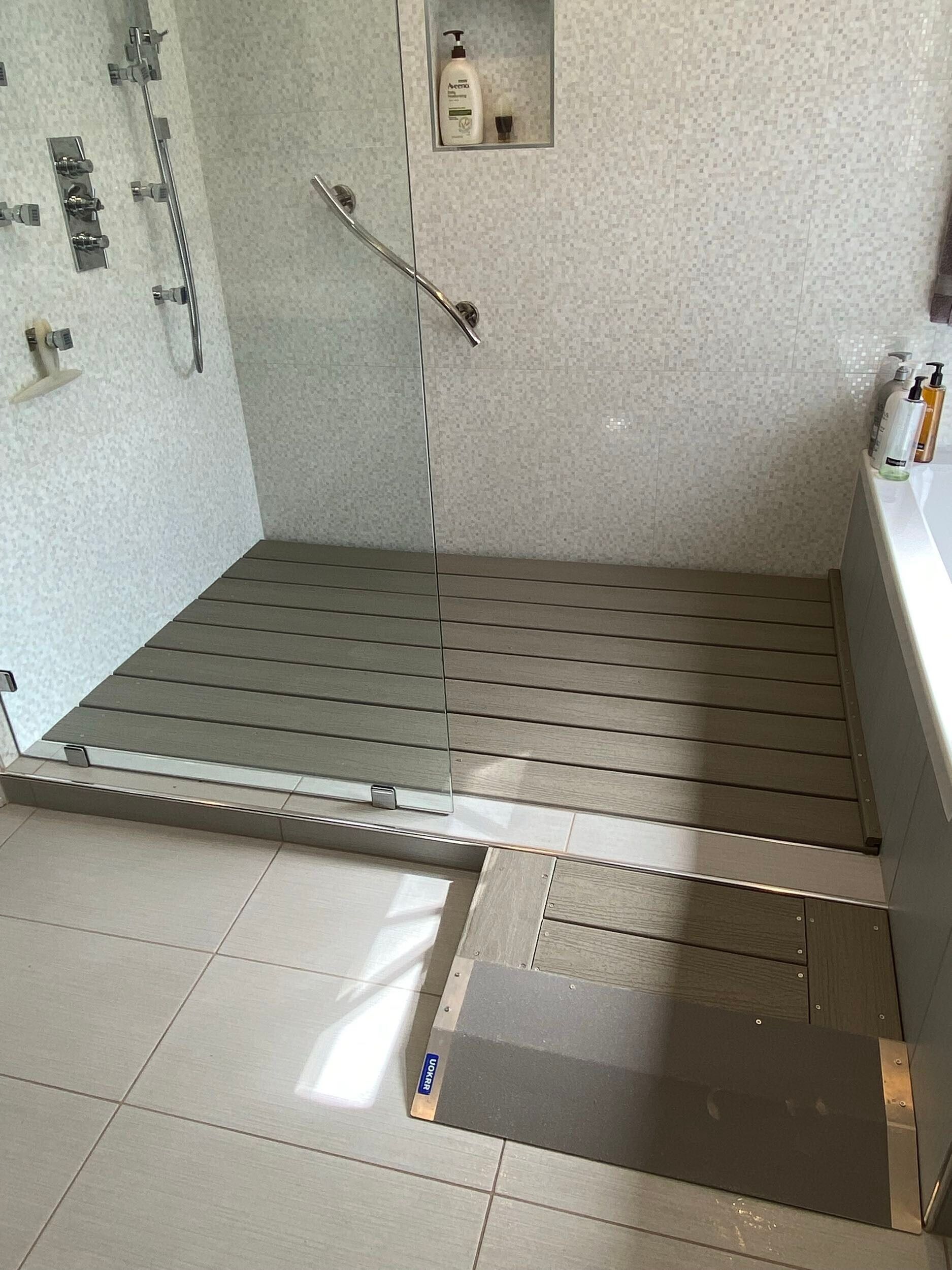
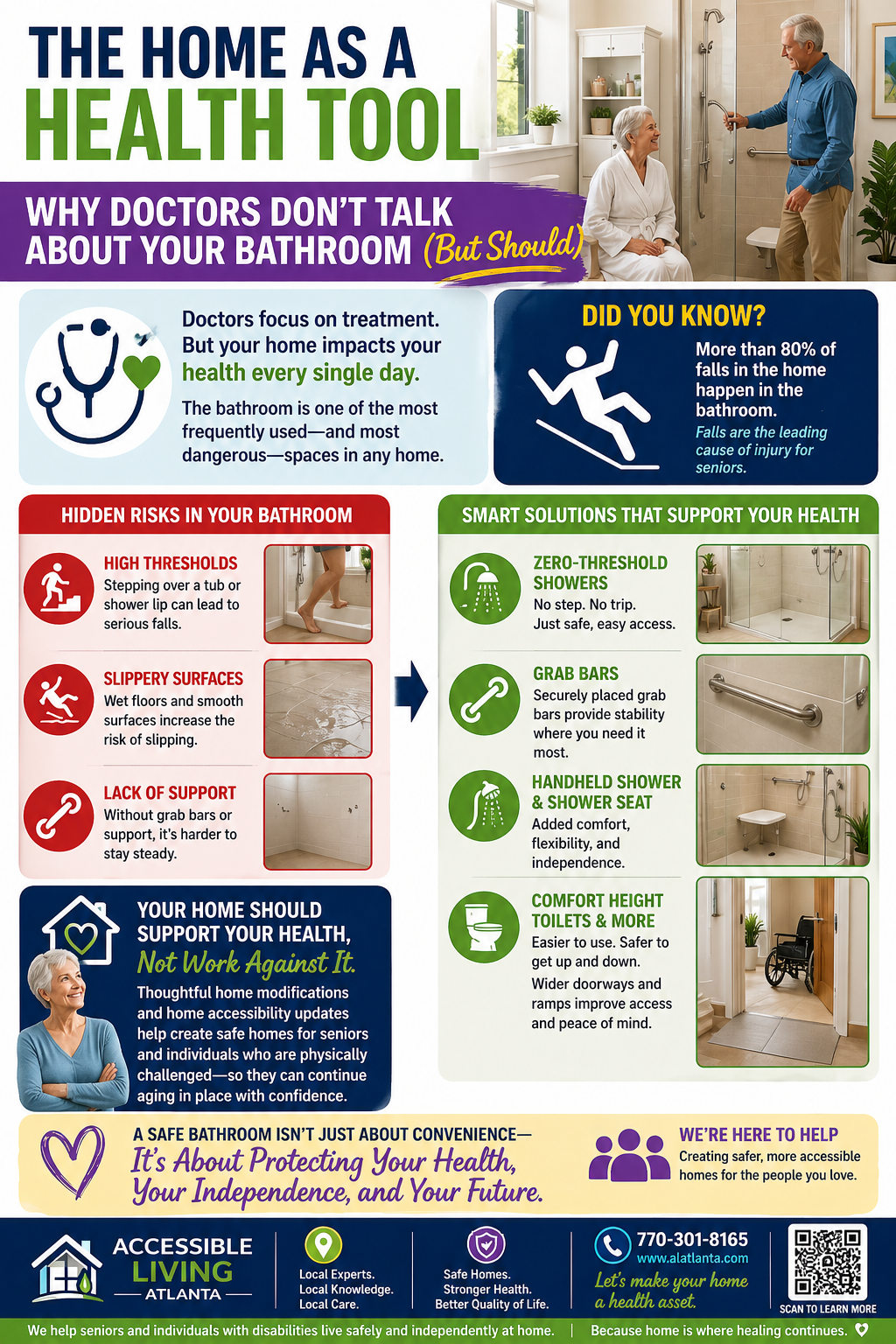
This is an excerpt from an article in The Washington Post written by Gretchen Reynolds A recent study highlighted by The Washington Post reveals something both encouraging and practical: You don’t need dramatic lifestyle overhauls to improve longevity. Researchers found that just: 5 additional minutes of sleep 2 minutes of added physical activity A modest improvement in nutrition (like an extra serving of vegetables) …can add a year or more to your life. Even more compelling, these small improvements—when combined—create a powerful synergy between what researchers call: Sleep, Physical Activity, and Nutrition (SPAN). Together, they significantly improve both lifespan and overall health. But There’s a Missing Piece in the Conversation While these findings focus on personal habits, there is another critical factor that determines whether individuals can actually maintain these improvements: 👉 Their home environment You can have the best intentions—eat better, move more, rest well—but if your home is not designed to support those actions, consistency becomes difficult… and sometimes dangerous. This is where home modifications and home accessibility play a vital role. How Home Accessibility Supports Longevity A well-designed, accessible home directly supports the very habits this study highlights: Sleep (Safety & Confidence at Night) Proper lighting reduces fall risks during nighttime movement Safe, accessible bathrooms eliminate hazards Clear pathways provide peace of mind Physical Activity (Daily Movement Without Barriers) Open layouts encourage mobility Widened doorways accommodate walkers and wheelchairs Wheelchair-accessible ramps eliminate obstacles Nutrition (Easier Access = Better Habits) Accessible kitchens with lowered counters Pull-down shelving and reachable storage Functional layouts that reduce strain and fatigue Real-Life Impact for Seniors & the Physically Challenged For many individuals—whether seniors, those with chronic illness, or those facing mobility challenges—these small daily habits are not just about longevity… They are about maintaining independence. Features like: Zero threshold (curbless) showers Grab bars for stability and fall prevention Widened doorways and hallways User-friendly kitchens Safe entry and exit solutions …transform a home into a space that promotes: ✔ Safety ✔ Confidence ✔ Daily consistency ✔ Long-term independence The Bigger Picture Longevity is not just about living longer—it’s about living well. This study reinforces that small, manageable changes can have a profound impact on health. But to fully benefit from those changes, your home must work with you—not against you. A properly designed, accessible home makes it easier to: Stay active Maintain healthy routines Reduce fall risk Age in place with dignity Final Thought You don’t need to change everything overnight. Start small. But also take a step back and ask: 👉 Does my home support the life I want to live as I age? Because while small habits may extend your life… A safe, accessible home will help ensure you can truly enjoy it.