The Rise of Solo-Agers Is Changing How We Think About Aging at Home

February 25, 2026

Nearly one-third of older adults in the U.S. now live alone — and that number continues to grow. These “solo-agers” often don’t have a built-in support system to help manage safety risks, home maintenance, or sudden health changes.


This is where home accessibility modifications become more than convenience — they become a lifeline.


Features like:

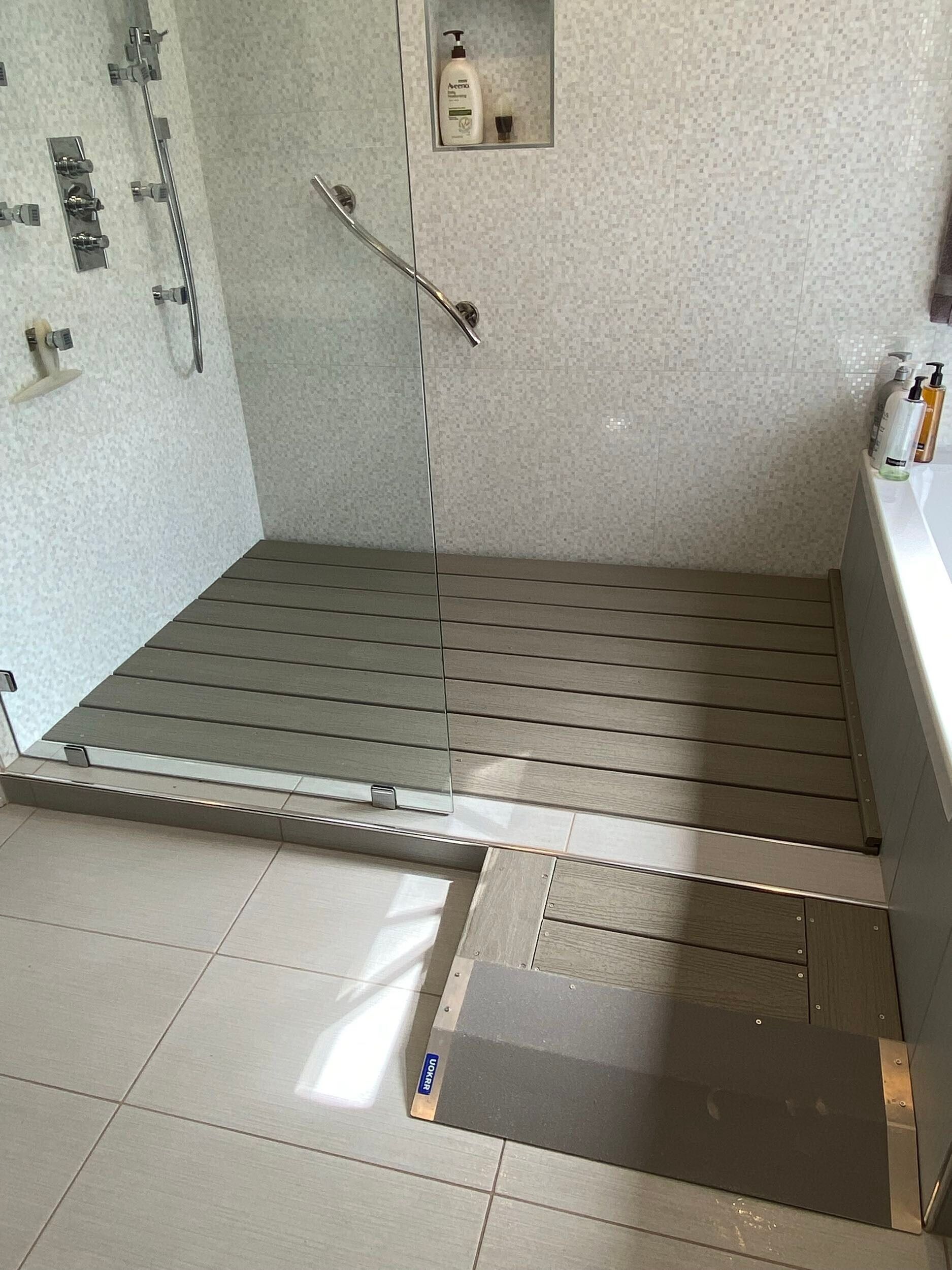
• Zero-threshold showers

• Grab bars and safe flooring

• Wider doorways for mobility access

• Ramps and step-free entries

• Smart lighting and fall-prevention upgrades


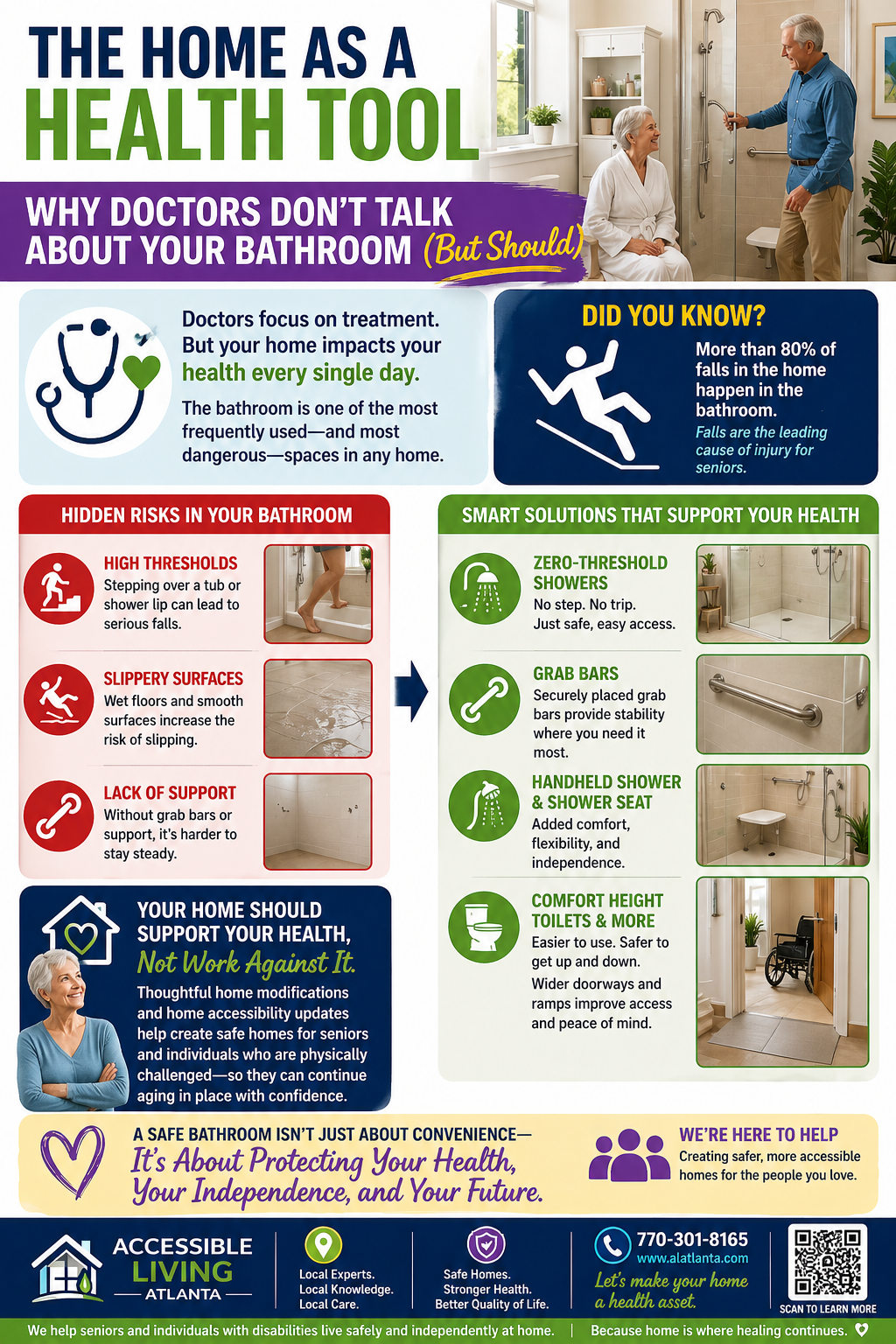
These solutions allow individuals aging alone to remain independent, safe, and confident in their homes — without relying on emergency decisions after a crisis.


For over 20 years, Accessible Living Atlanta has helped individuals of all ages, including many living alone, transform their homes into spaces designed for long-term independence.


As the solo-aging population grows, proactive planning and accessibility design will be essential — not optional.


💬 Independence shouldn’t mean isolation. It should mean living safely on your own terms.
Advertisement for Accessible Living. Shows elderly couple and consultant, home modifications, and stair lift. Blue and white colors.
February 20, 2026
Over the years, we’ve had the privilege of speaking with support groups across the greater Atlanta area, including individuals and families affected by ALS, MS, Parkinson’s, Muscular Dystrophy, Dementia, brain injuries, and stroke. These conversations are more than presentations — they’re opportunities to listen, understand, and provide guidance during life-changing circumstances. As a result, many families turn to us when they need help making their homes safer and more accessible. We’ve modified hundreds of homes to help individuals remain living independently rather than transitioning prematurely into assisted living or nursing facilities. Every project is unique because every journey is different. The stage of a condition often determines the type of solutions needed — whether that’s: Barrier-free showers and bathroom safety upgrades Ramps and zero-threshold entries Wider doorways for mobility equipment Stair lifts or vertical platform lifts Kitchen modifications for accessibility Improved lighting and fall-prevention improvements At Accessible Living Atlanta, our goal goes beyond construction — it’s about preserving dignity, independence, and quality of life. Helping someone remain safely in the home they love is one of the most meaningful outcomes we can achieve. We are grateful to partner with the many support organizations that allow us to share this mission. 
Flyer about home accessibility funding in Georgia. It has logos, contact info, and program details.
February 14, 2026
The good news is — funding may be available. Beyond the VA, several programs can help homeowners offset the cost of accessibility improvements: Federal Programs • U.S. Department of Agriculture – Rural Housing Repair Loans & Grants (for very low-income homeowners age 62+) • U.S. Department of Housing and Urban Development – FHA 203(k) Rehabilitation Loans • Administration for Community Living – Resources for seniors and people with disabilities State & Local Resources • Medicaid Waiver Programs • State Housing Finance Agencies • Local Community Development Grants Non-Profits • Rebuilding Together • National Multiple Sclerosis Society • USAging At Accessible Living Atlanta, we regularly work with families who need: ✔ Barrier-free showers ✔ Wheelchair ramps ✔ Wider doorways ✔ Safer bathroom layouts ✔ Improved entry access We also collaborate with Occupational Therapists to help provide the documentation often required for grant applications. The need for accessibility is growing. The funding options are out there. The key is knowing where to look — and having the right team to guide you. The resources shown in this post are certainly not all that may be available. For additional information, please call us at 770-301-8165 , or email at info@alatlanta.com . If you serve seniors, individuals with mobility challenges, or families navigating discharge planning, we’re happy to be a resource. 📞 770-301-8165 🌐 www.alatlanta.com
Rear view of female caregiver assisting senior woman walking with mobility walker in corridor
By Allie Canal February 13, 2026
The U.S. added 130,000 jobs last month, nearly all from eldercare. Now immigration policy and Medicaid cuts are limiting who is willing or able to do this job.
More Posts